
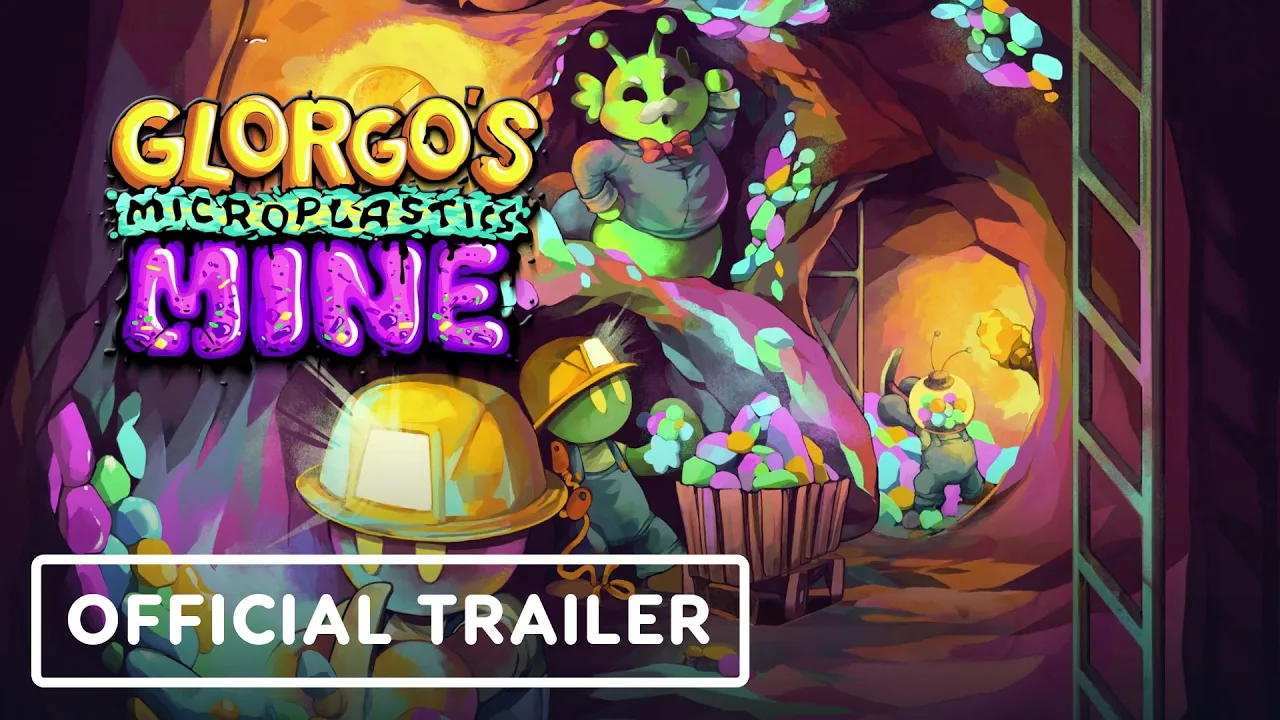
GLORGO'S MICROPLASTICS MINE
Unity 6 UGUI | C# | Figma | Photoshop | Illustrator | After Effects
MAY 2025 - MAY 2026
A post-apocalyptic world where you're managing workers mining through the remnants of an earth covered in plastic sounds like it should feel bleak, but my job was to make it feel like a toy.
As UI/UX Lead on a 40+ person team over 12 months, I owned the full design pipeline: from mapping the player journey and establishing interaction architecture, to building every main HUD asset and animating it into life.
UI/UX LEAD | 12 MONTH TIMELINE | TEAM OF 40+
The core challenge: make a numbers-heavy resource management game feel intuitive, immersive, and fun, without letting the interface get in the way of the world.
CORE UI DESIGN PILLARS
As UI/UX Lead, I established three core design pillars to unify the visual language, create a basis for design intent, and ensure a consistent player experience.
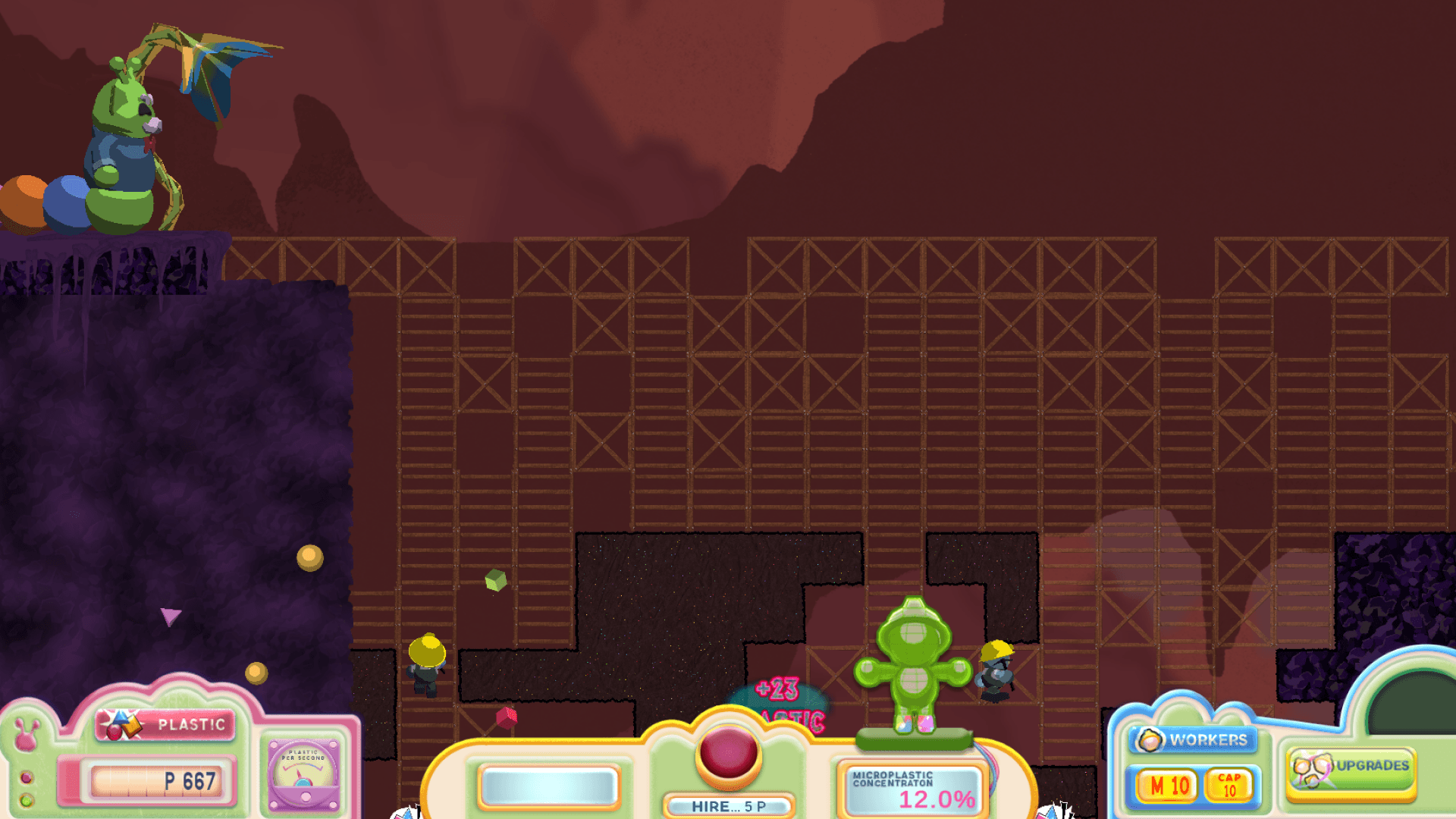
The interface is a physical, diegetic workstation with a tactile, "bells-and-whistles" feel.
Chunky buttons and "plasticky" textures ground the player directly within the game world.
To manage many on-screen figures and digits at once, I prioritized information through bold iconography and color coding.
This context-first hierarchy ensures at-a-glance decision-making without visual clutter.
Kitschy, nostalgic theming serves the atmosphere without creating friction.
The UI enhances the experience, ensuring aesthetics never hijack readability or core gameplay.
I mapped the full player journey before finalizing the interface's visual direction.
Locking in screen requirements early kept the team aligned on my vision and the overall scope in check.
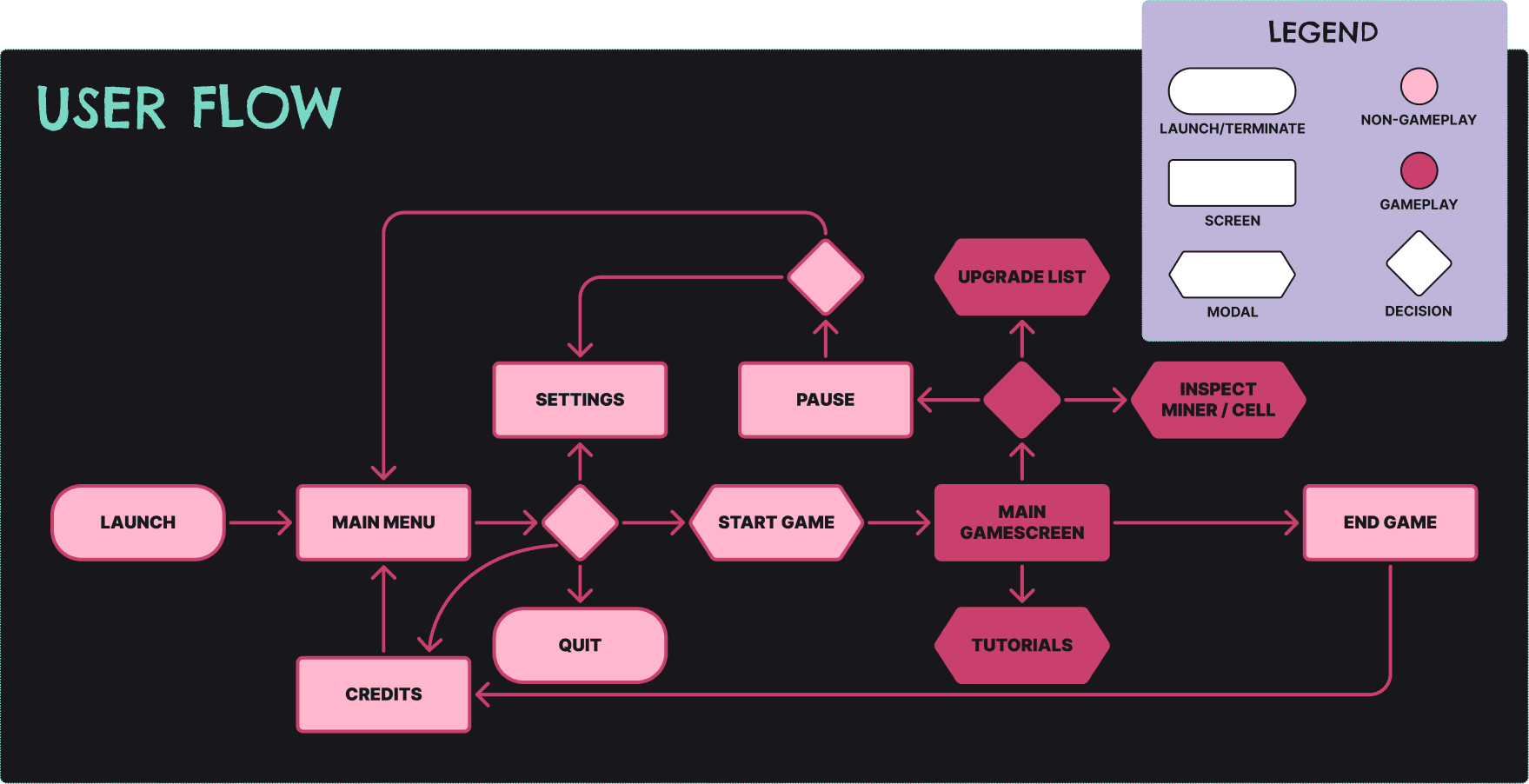
Click on the user flow map to expand!
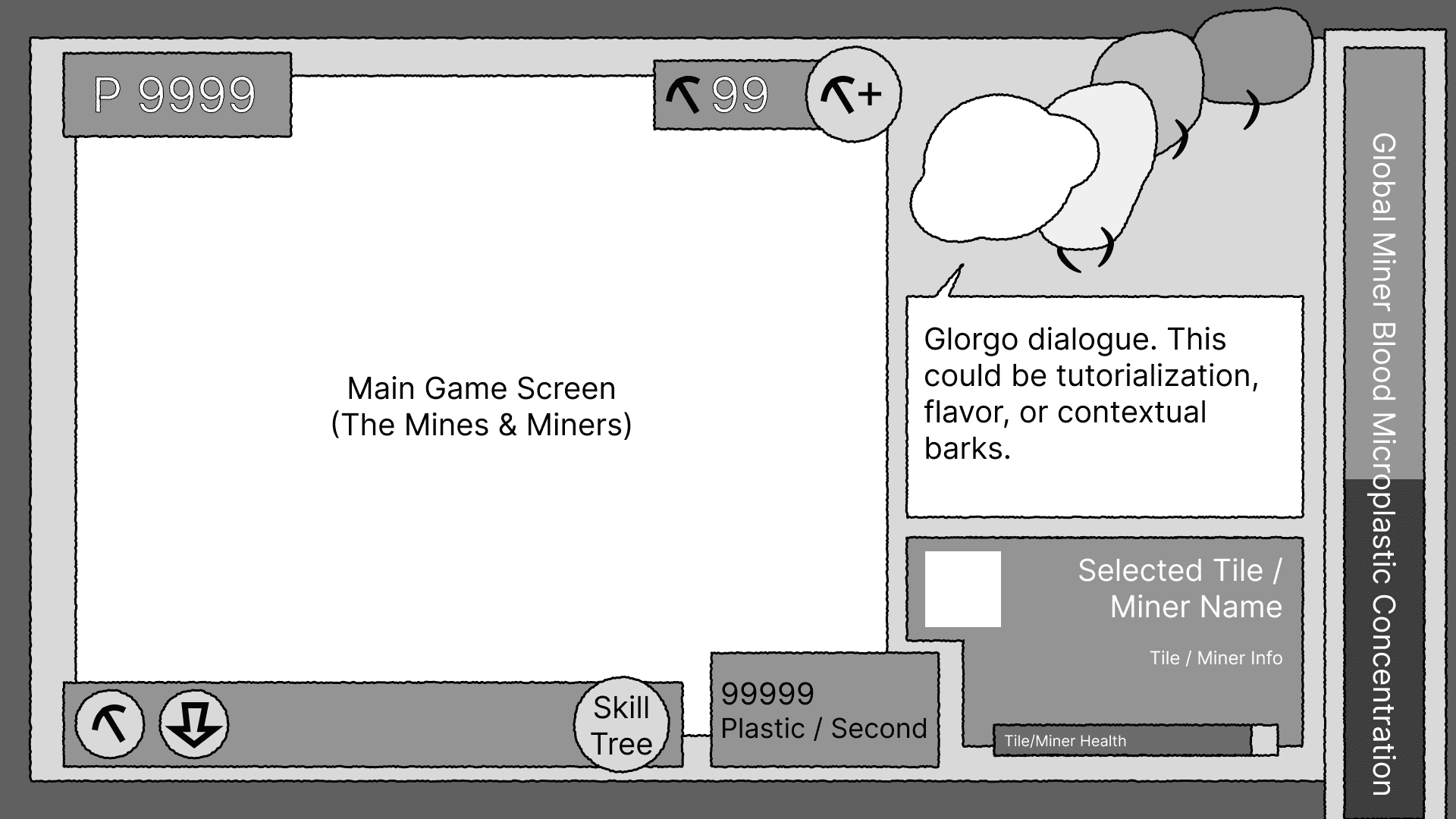
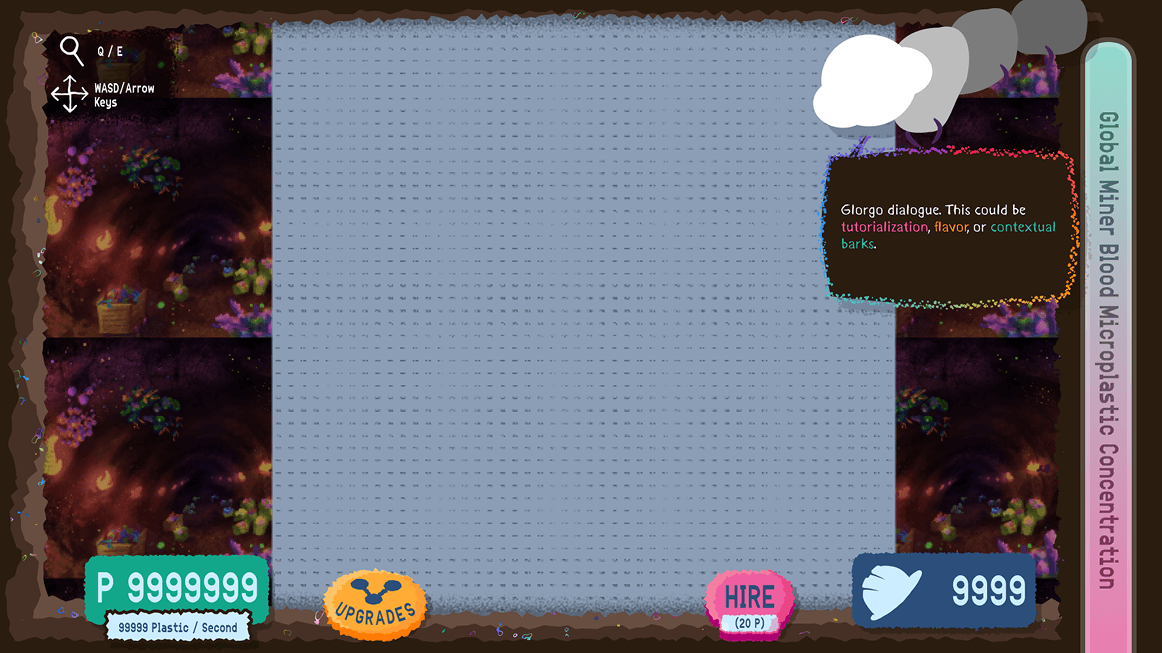
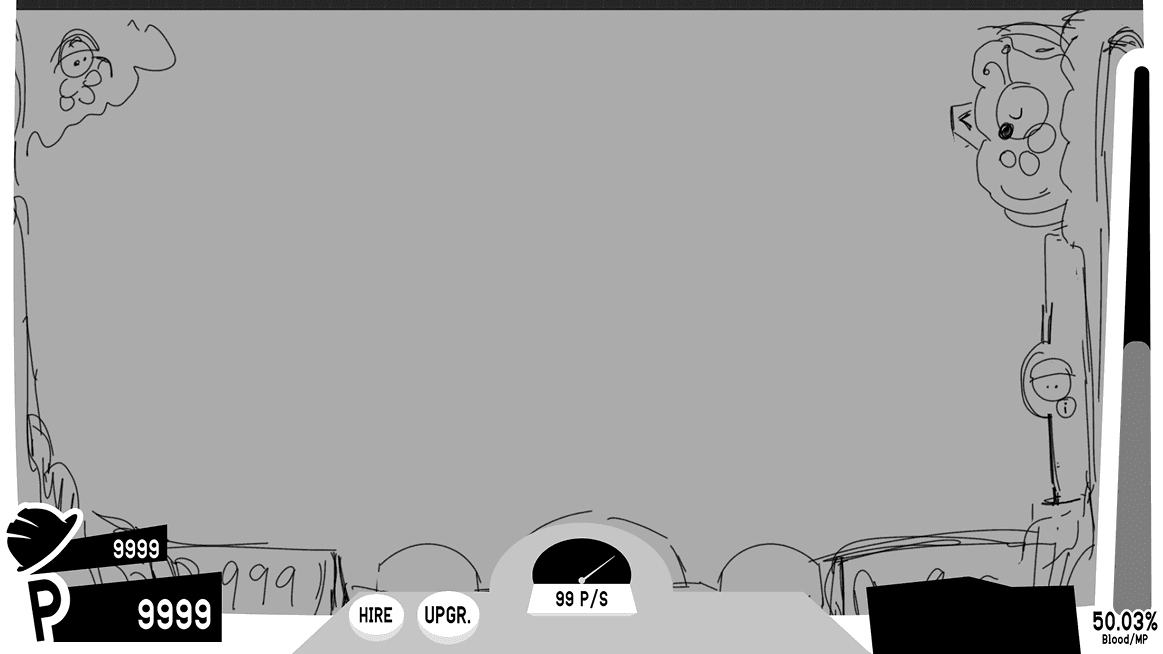
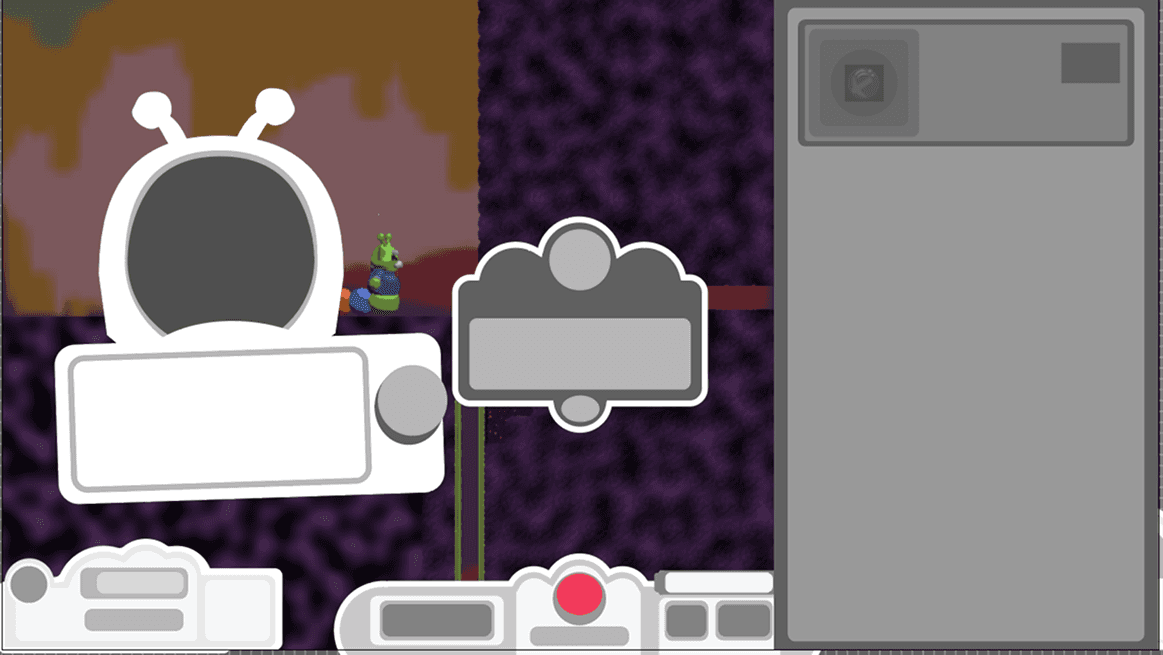
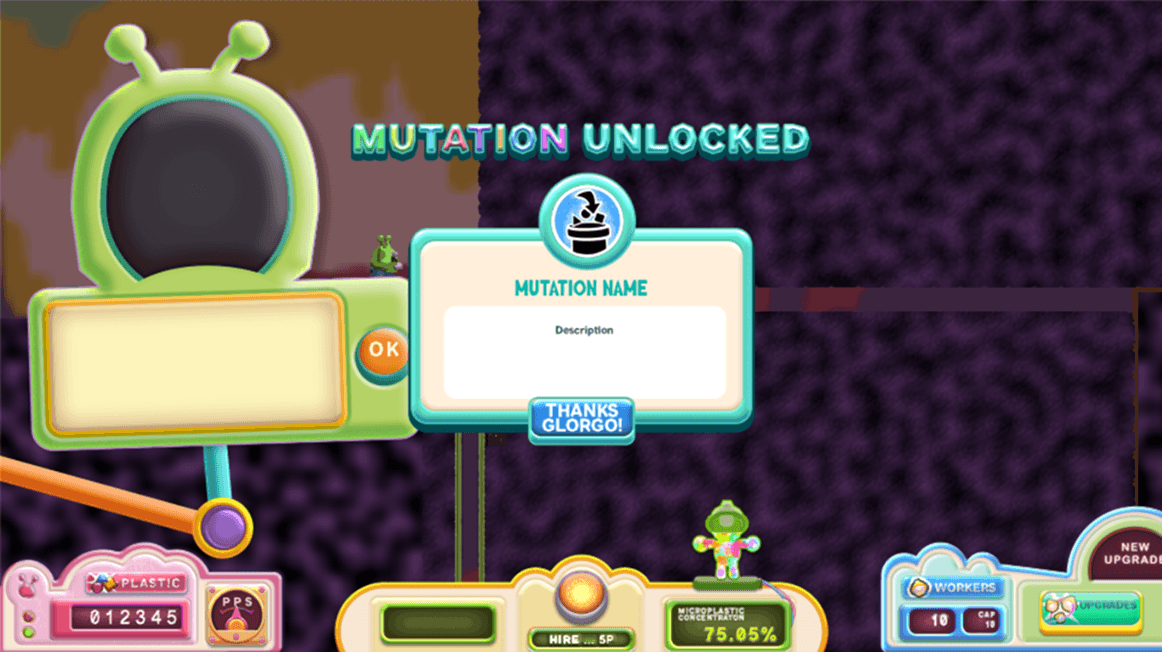
Use the slider to see how the game screen wireframe compares to the final high-fidelity in-game screen!
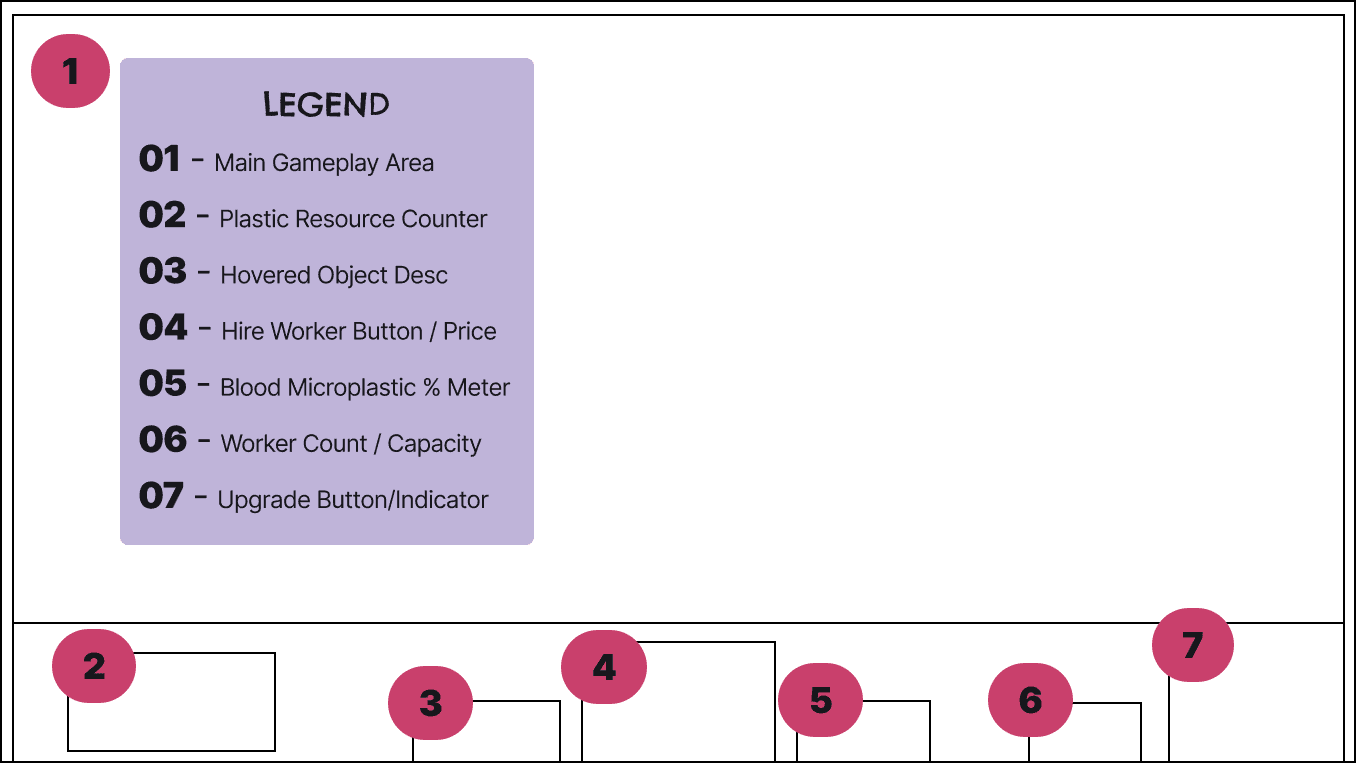
DEVELOPING A DIEGETIC HUD
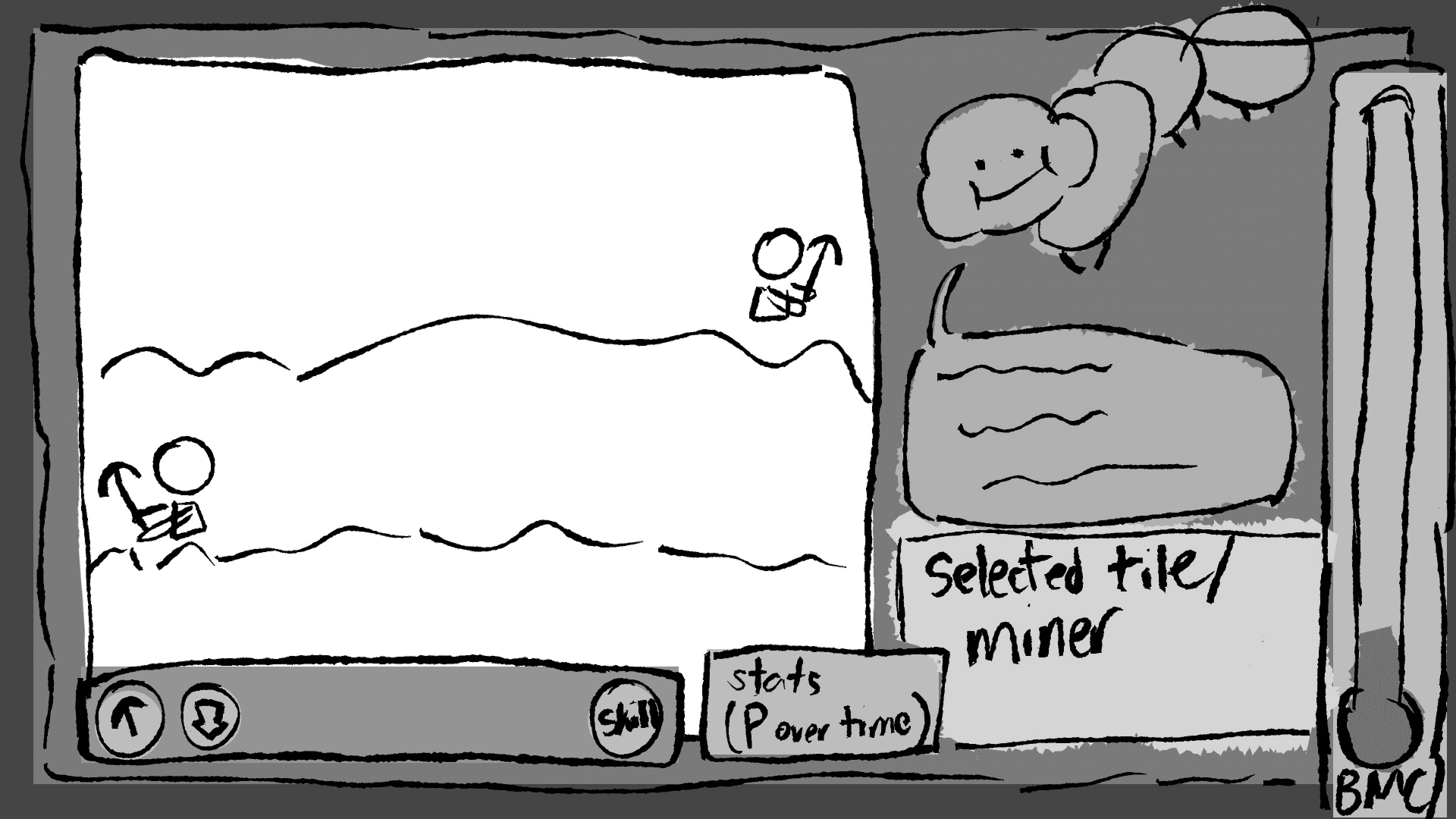
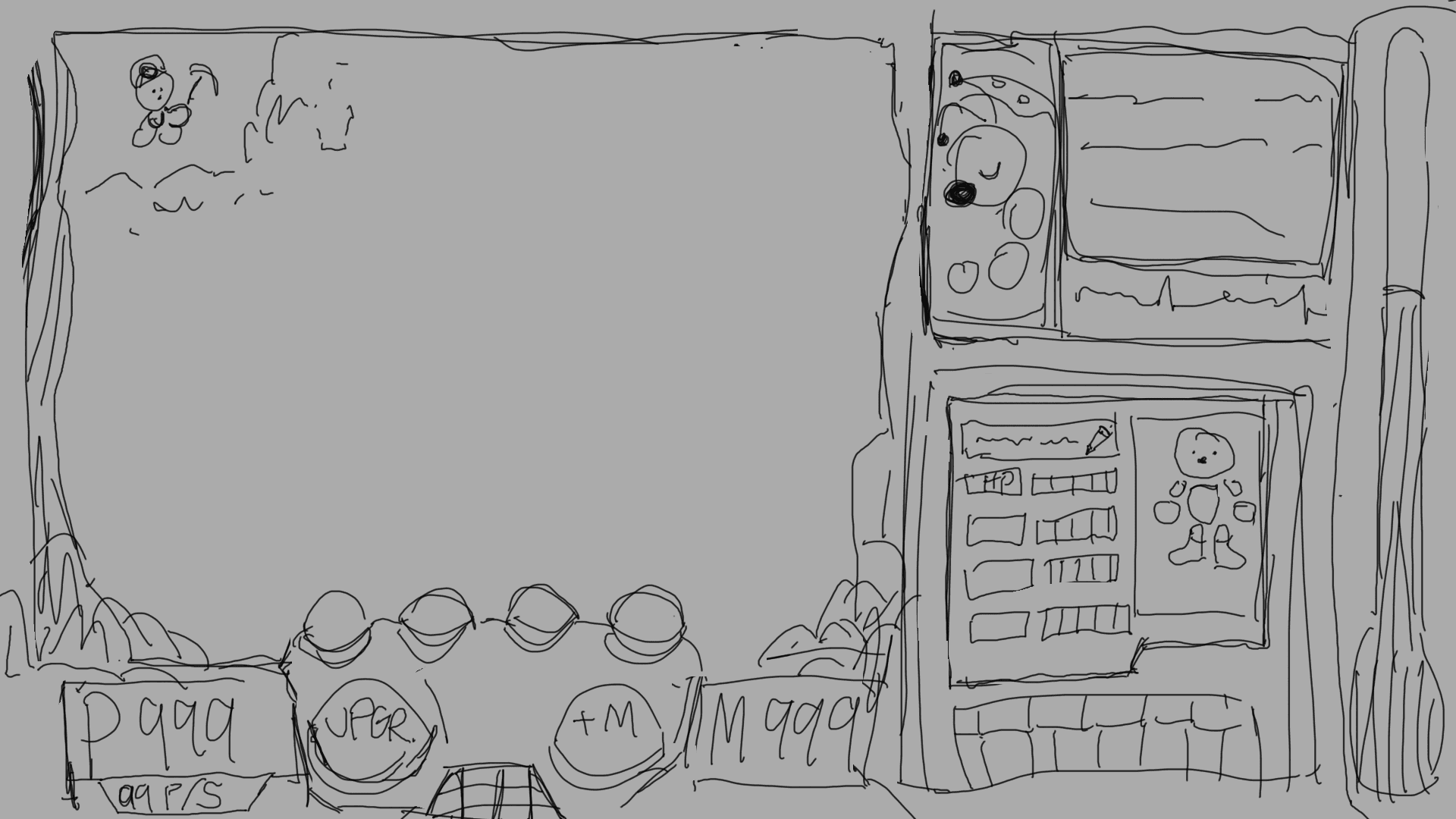
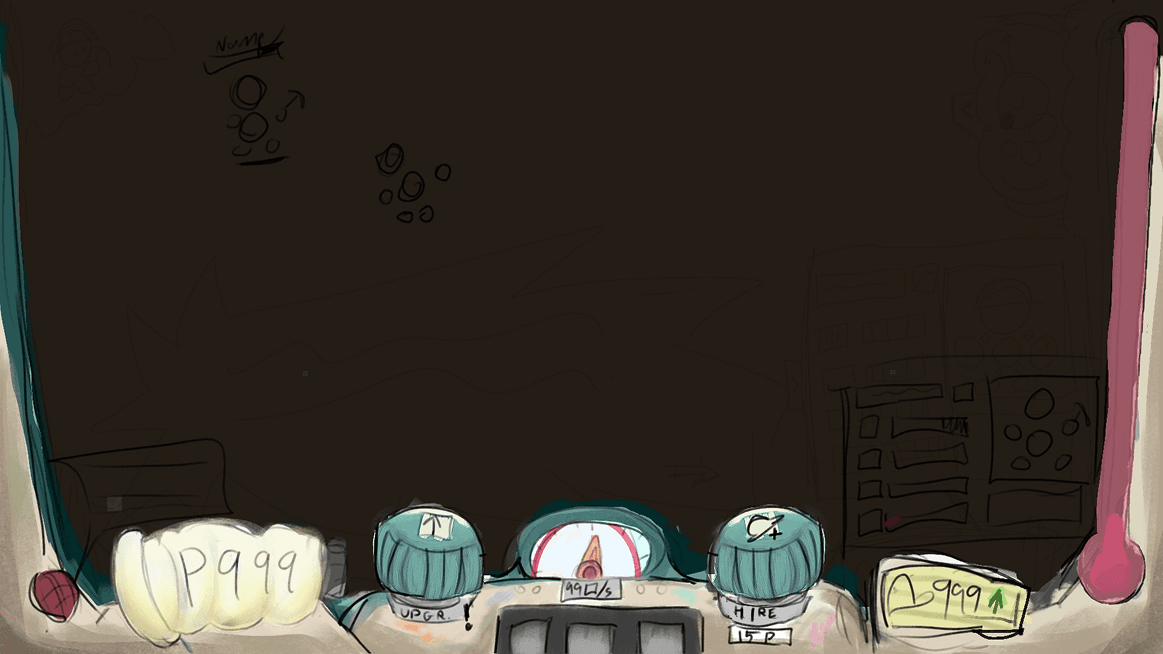
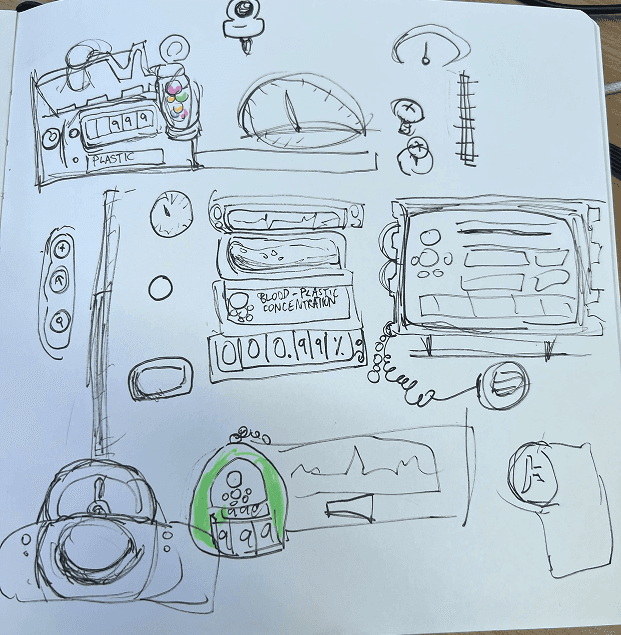
EARLY SKETCHES
My core vision for the interface was a blend of a whimsical, toy-like feeling, industrial utility, and strange "alien" technology.
Imagine a plastic "kiddy computer" repurposed for a dystopian factory line job system. I sought to make a satirical but dark world feel more approachable and playful, reducing the cognitive load of a numbers-heavy game
DRAFTING
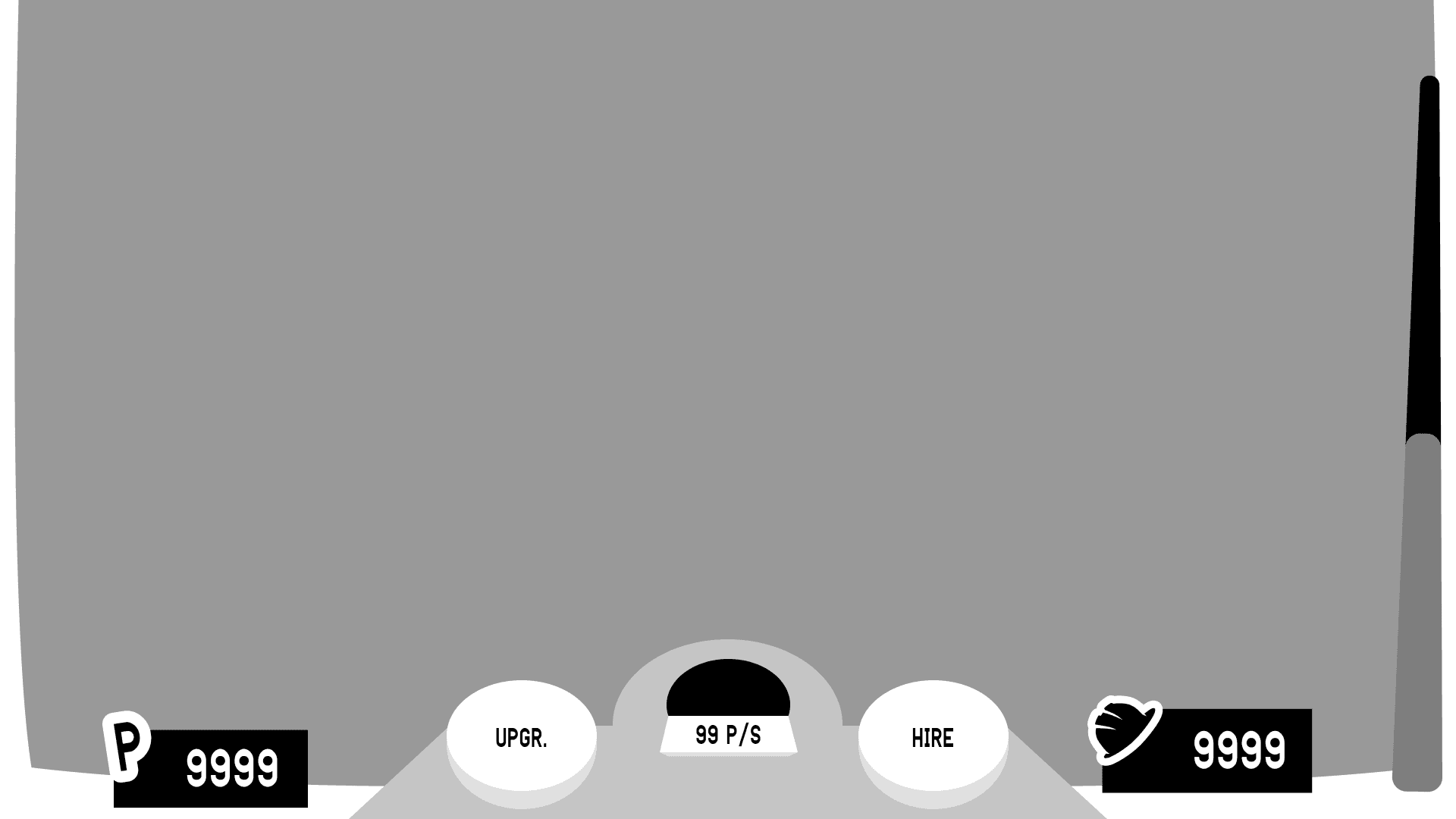
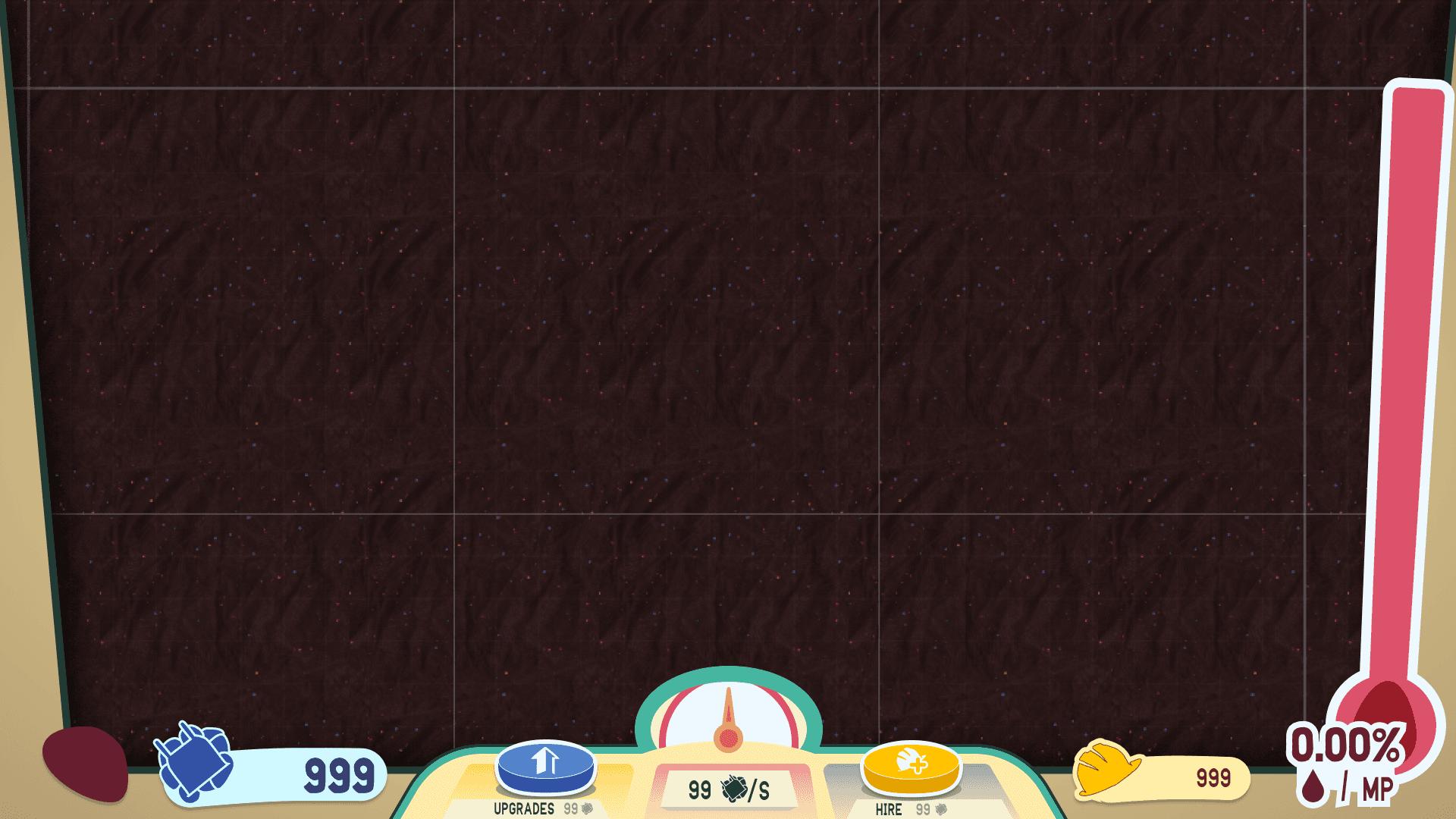
The main HUD interface evolved through the drafting phase as I explored how I wanted to portray the diegetic interface.
Early directions leaned heavily into a subterranean mining aesthetic, while later ones prioritized a plasticky dashboard-style layout.
Testing these drafts directly in-engine and collaborating closely with our usability, design, and narrative teams ensured that the final layout served the player, the gameplay, and the world as a whole.
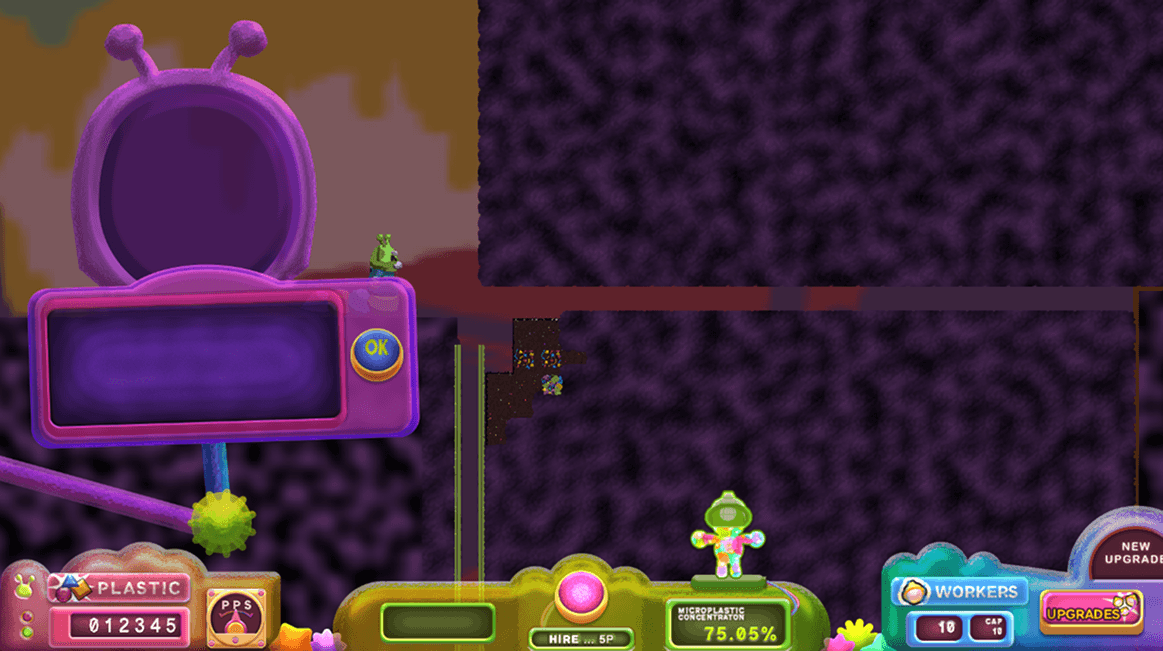
HI-FI DEVELOPMENT
I reached a breakthrough for the final concept after conducting style replication experiments on the project's primary visual inspiration: HighFleet.
This style analysis helped me establish a comfortable workflow: defining vector silhouettes in Illustrator, rendering depth, texture, and volume in Photoshop, and finally implementing the assets in-engine or designing motion via After Effects.
I animated assets like the hydraulic dialogue panel, hire button press state, and blood-microplastic concentration (BMC) texture in After Effects.
This gave me access to fine-grained control over keyframe graphs, which I used to create snappy, weighted motions, and turbulent displace, which I used to create the organic, pulsating motion seen in the BMC texture.
Full UI Design Guidelines & Asset Spec
For a comprehensive look at the wireframes, full asset library, and UI moodboards, view the complete internal design documentation I put together, embedded below.
Reflections: Team Yearbook
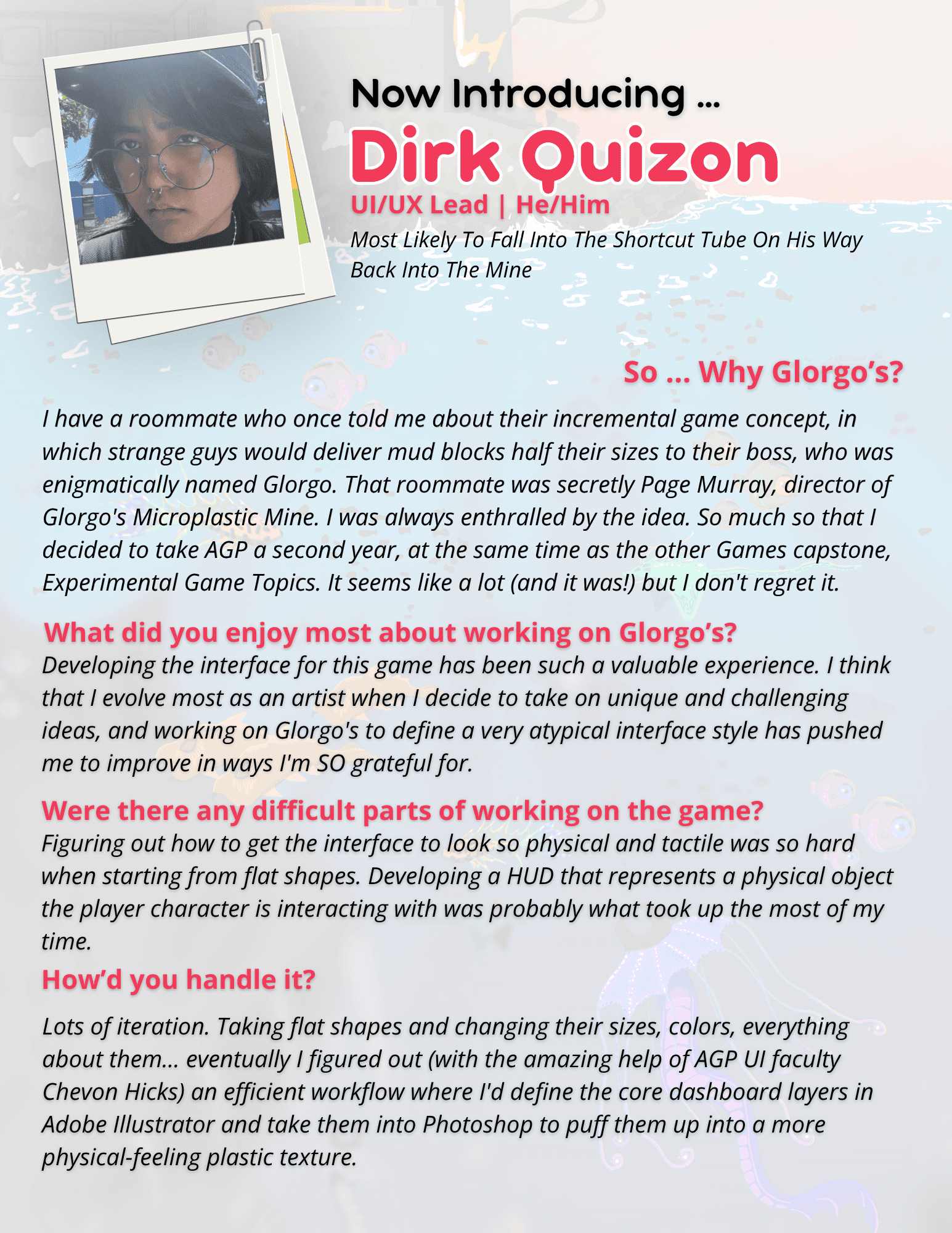
This is mostly for fun, but our marketing team put together a team yearbook near the end of production. I feel that my pages provide some insight into my creative process and challenges going into this project!
Click on the picture to get a closer look!